A father walked into my office a few years ago with a simple question: his fifteen-year-old daughter had earned $3,200 that summer lifeguarding, and he wanted to know where to put it. I told him immediately — a Fidelity custodial Roth IRA. He had never heard of one. By the end of that meeting, we had mapped out how to open the account, what to invest in, and why starting at fifteen could mean hundreds of thousands of dollars by retirement. That conversation is one I’ve had more than two hundred times in my career as a fee-only financial planner.
If you’re researching where to open a custodial Roth IRA for your child, Fidelity belongs at the top of your list. In this review, I’ll walk you through exactly what Fidelity offers — fees, fund options, the setup process, and where it falls short — based on my direct professional experience and the accounts I’ve opened for my own kids.
What Is a Custodial Roth IRA and Who Qualifies?
Before diving into Fidelity’s specifics, let’s get the rules straight. A custodial Roth IRA is a Roth IRA opened by a parent or guardian on behalf of a minor. The adult manages the account until the child reaches the age of majority — typically 18 in most states, though some states set it at 21. At that point, the account transfers fully to the child.
The key requirement is earned income. Your child must have verifiable earned income to contribute. That means wages from a job, self-employment income from lawn mowing or babysitting, or even acting residuals. Investment income, gifts, and allowances do not count. The contribution limit for 2024 and 2025 is $7,000 per year, but contributions cannot exceed the child’s actual earned income. So if your daughter earned $2,500, the maximum contribution is $2,500 — not $7,000.
One important nuance I always flag in my practice: the money contributed does not have to be the exact dollars your child earned. If your son earned $4,000 and spent most of it, you can still fund the account up to $4,000 using your own money. The IRS cares about earned income eligibility, not the source of the deposited funds.
Fidelity Custodial Roth IRA: Fees and Account Minimums
This is where Fidelity genuinely stands out. In my experience evaluating accounts across multiple brokerages, Fidelity’s fee structure for custodial Roth IRAs is among the most competitive available.
Account Fees
- Account opening fee: $0
- Annual maintenance fee: $0
- Account closing fee: $0
- Minimum opening balance: $0
- Stock and ETF trades: $0 commission
- Options trades: $0.65 per contract (rarely relevant for minor accounts)
That $0 minimum is meaningful. I’ve worked with families contributing as little as $500 to start. At Vanguard, mutual fund minimums historically started at $1,000 or more for certain funds. Fidelity removes that barrier entirely, which matters when you’re building a habit rather than a lump sum.
Fund Expense Ratios
Fidelity’s proprietary index funds are genuinely exceptional for long-term investors. The Fidelity ZERO Total Market Index Fund (FZROX) carries a 0.00% expense ratio. The Fidelity ZERO International Index Fund (FZILX) also charges 0.00%. These are not promotional rates — they are permanent zero-fee funds. For a child’s Roth IRA with a 50-plus year time horizon, even a 0.03% difference in fees compounds meaningfully. That said, ZERO funds are proprietary to Fidelity and cannot be transferred in-kind to another brokerage, which I’ll address in the cons section.
Investment Options Inside the Account
Fidelity’s investment menu is broad. For most families I work with, simplicity wins — and Fidelity makes that easy. Here are the options I most frequently recommend for minor custodial Roth IRAs:
- FZROX — Fidelity ZERO Total Market Index Fund, 0.00% expense ratio
- FSKAX — Fidelity Total Market Index Fund, 0.015% expense ratio (transferable)
- FXAIX — Fidelity 500 Index Fund, 0.015% expense ratio
- FZILX — Fidelity ZERO International Index Fund, 0.00% expense ratio
- Individual stocks and ETFs with $0 commissions
- Fidelity target-date funds (useful for set-it-and-forget-it families)
For a teenager’s account, I typically recommend a simple two-fund portfolio: 80–90% FZROX and 10–20% FZILX. The rationale is straightforward — low costs, broad diversification, and nothing to manage. However, if there’s any chance the account will transfer to another brokerage later, I recommend FSKAX instead of FZROX to avoid an in-kind transfer restriction.
How to Open a Fidelity Custodial Roth IRA: The Setup Process
I’ve walked dozens of parents through this process. Here is exactly how it works.
- Go to Fidelity.com and navigate to “Open an Account,” then select “Roth IRA for a Minor.”
- Provide the custodian’s information — that’s the parent or guardian. You’ll need your Social Security number, address, and a linked bank account.
- Provide the minor’s information — Social Security number, date of birth, and full legal name.
- Verify earned income — Fidelity asks you to confirm the child has earned income. Keep records such as W-2s, 1099s, or a simple log of self-employment earnings. Fidelity does not require documentation upfront, but the IRS can ask for it.
- Fund the account — Link your bank account and initiate a transfer. There is no minimum.
- Select investments — Funds won’t be automatically invested. You must manually select a fund or ETF after the transfer clears.
The entire online process typically takes under 20 minutes. That said, some families encounter identity verification delays, particularly if the child does not yet have a credit history or prior financial account. In my experience, this happens in roughly 10–15% of cases. Calling Fidelity directly resolves it quickly — their customer service for IRA accounts has been consistently responsive.
Pros and Cons: An Honest Assessment
What Fidelity Does Well
- Zero fees and zero minimums make it accessible for small contributions
- ZERO expense ratio funds are unmatched for long-term cost efficiency
- Excellent mobile app with intuitive account management
- Strong customer service with phone and chat support
- Fractional shares available, which is useful for small monthly contributions
- Robust educational resources on the platform itself
Where Fidelity Falls Short
- ZERO funds cannot transfer in-kind to another brokerage — you’d need to sell and repurchase, potentially triggering a taxable event in a non-retirement account (less of a concern inside a Roth IRA, but worth noting)
- The platform can feel complex for first-time investors navigating solo
- No automatic rebalancing unless you use a target-date fund
- International fund selection is thinner than Schwab’s for active ETF investors
Specifically regarding the ZERO fund transfer issue — inside a Roth IRA, there are no capital gains taxes on growth. So selling FZROX to move to another brokerage later has no tax consequence inside the account. This concern matters far more in a UGMA/UTMA custodial account, which is a different vehicle entirely. I want to be clear about that distinction.
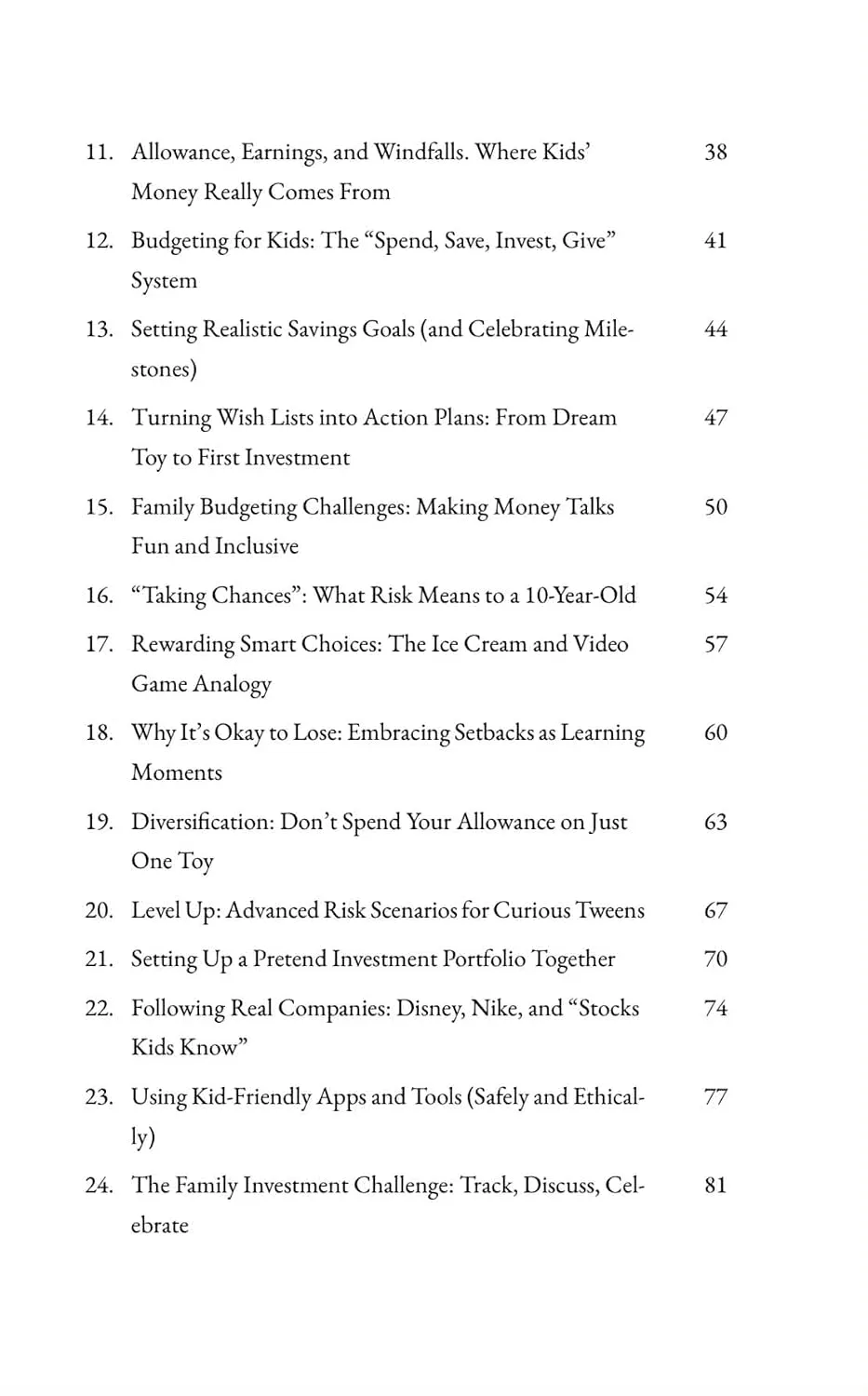
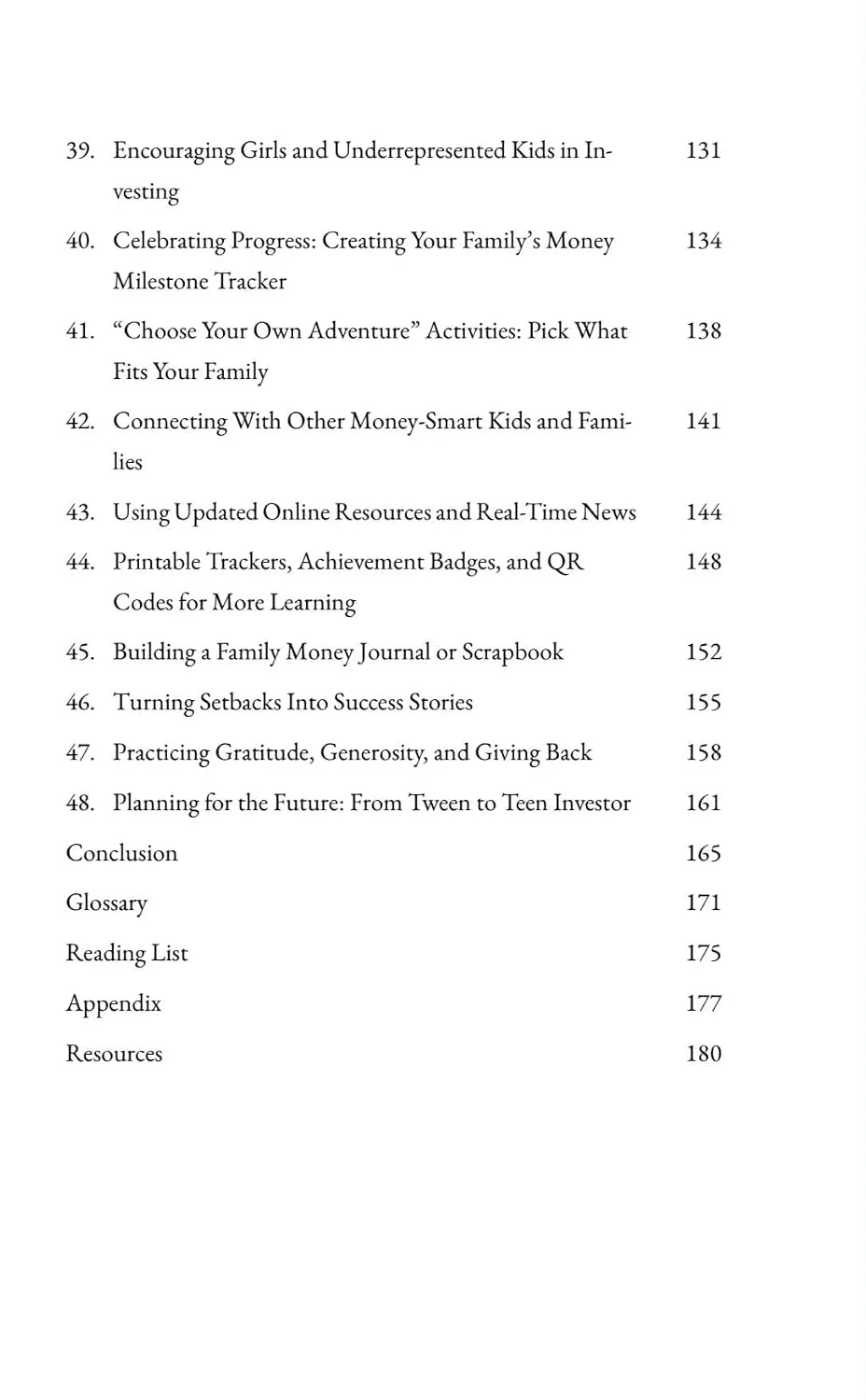
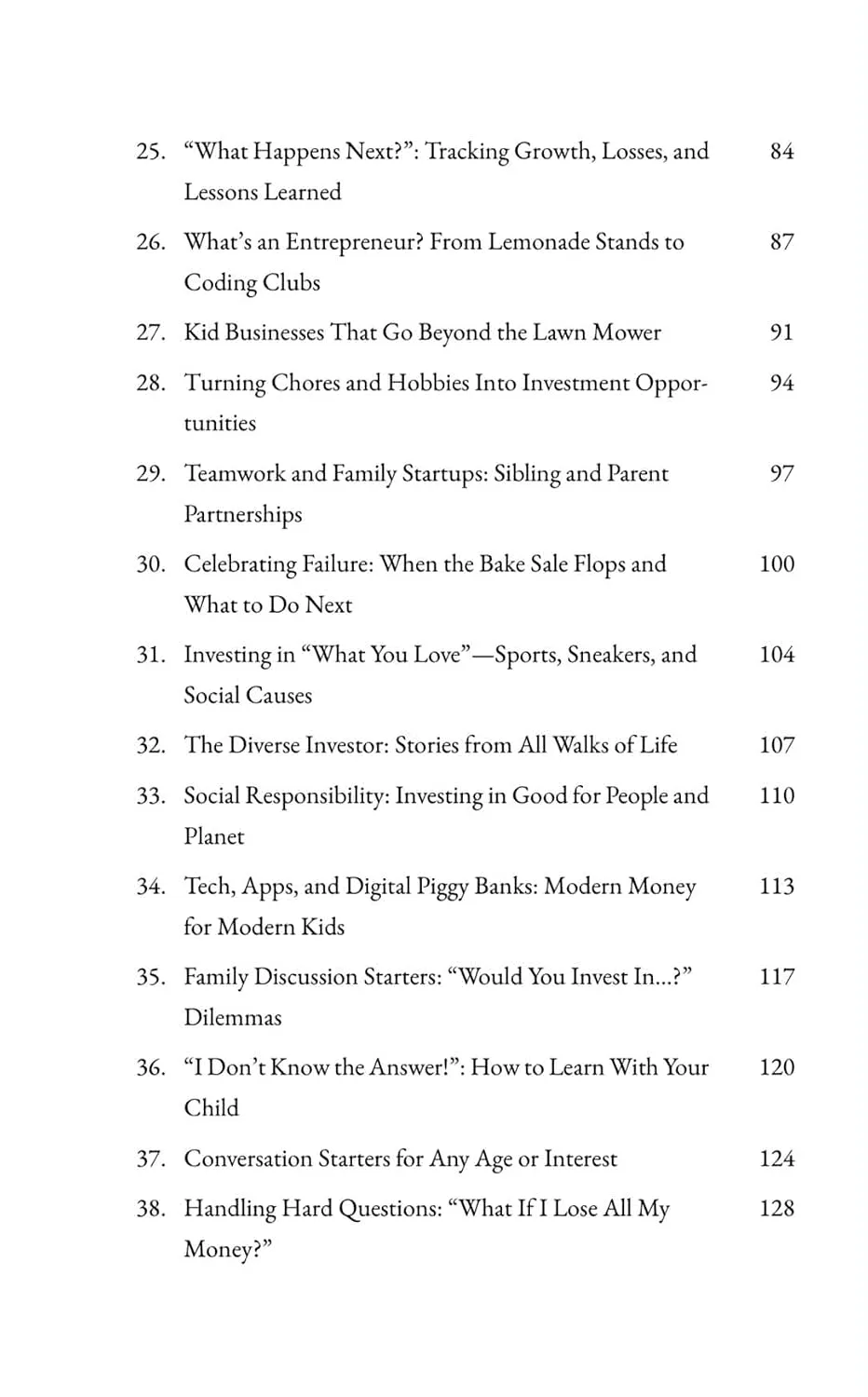
The Book I Hand to Parents Opening Their First Custodial Roth
If you’ve decided a custodial Roth is right for your teenager but aren’t sure how to frame it—or you want to go beyond the mechanics and actually teach your minor about long-term investing—this book fills that gap between account setup and real financial literacy.
What works
- Explains how to set up and fund a custodial investment account step-by-step, including how earned income connects to contribution eligibility.
- Walks through age-appropriate investment choices and how to avoid over-complicating a teenager’s first portfolio—critical when opening a Fidelity custodial Roth with real money at stake.
- Addresses the behavioral and teaching side of custodial accounts: how to discuss why you’re opening one, what compounding means in real terms, and how to let your child own the decision without micromanaging trades.
What doesn’t
- Doesn’t dig into custodian-specific platforms or compare Fidelity against Vanguard or Schwab—it’s conceptual, not a platform review.
- Assumes your teenager has earned income (W-2 or self-employment); if they haven’t, the contribution eligibility rules won’t apply and you’ll need separate tax guidance.
If you’re already deep in the weeds on tax filing for your minor’s side business or managing UTMA accounts with sophisticated strategies, this book will feel too introductory. Parent’s Guide to Investing for Kids: A Step-by-Step Guide for Teaching Kids About Investing, Stock Market Investing, Saving Money, and Building Wealth Early
This post contains affiliate links. As an Amazon Associate, I earn from qualifying purchases at no extra cost to you.