
Last spring, I was reading about a parent wanting to open a Schwab custodial Roth IRA for their 14-year-old daughter who’d earned $312 from a summer job at a local bakery. That question — “Can we do this at Schwab?” — is one I’ve seen asked more than almost any other when it comes to custodial Roth IRAs. After years of managing my own kids’ accounts at multiple brokerages and staying immersed in the rules and research around custodial Roth IRAs, I can give you a thorough, honest answer. Schwab is genuinely one of the strongest platforms for a custodial Roth IRA, but it is not perfect for every family. Let me walk you through exactly what you are getting.
Before we dive in, a quick note on terminology. A custodial Roth IRA is different from a UGMA or UTMA custodial account. A UGMA or UTMA holds investments the child owns outright and transfers at the age of majority — typically 18 or 21 depending on your state. A custodial Roth IRA is a retirement account opened in the child’s name, managed by a parent or guardian, and governed by the same IRS rules as any Roth IRA. The key requirement: the child must have verifiable earned income. That bakery paycheck qualifies. Allowance does not.
Schwab Custodial Roth IRA: Fees and Account Minimums
Let’s start with the numbers that matter most to families on a budget. Schwab charges $0 to open a custodial Roth IRA. There is no annual account maintenance fee. Online equity trades are $0 commission. Options trades cost $0.65 per contract, which is largely irrelevant for a child’s long-term account.
The account minimum is $0. You can open the account and fund it with whatever your child earned — even if that is $50 from one afternoon of yard work. In my experience, this zero-minimum structure is one of the biggest reasons I point families toward Schwab. Many parents assume they need a large lump sum. They do not.
Schwab’s own index funds — branded as Schwab Market Cap Index funds — carry expense ratios as low as 0.03%. Their S&P 500 index fund (SCHX or FNILX equivalent via Schwab’s own lineup) is competitive with anything Fidelity or Vanguard offers. For a child’s account that will compound for 50+ years, a 0.03% expense ratio versus a 0.20% expense ratio is a meaningful difference over time.
2024 and 2025 Contribution Limits
For both 2024 and 2025, the Roth IRA contribution limit is $7,000 per year (or 100% of earned income, whichever is less). A child who earned $1,800 babysitting can contribute up to $1,800 — not the full $7,000. Parents can fund the contribution on the child’s behalf, as long as the child actually earned that income. That is a distinction the IRS takes seriously, so keep documentation like pay stubs or payment records.
How to Open a Custodial Roth IRA at Schwab
The setup process at Schwab is straightforward, though it requires a phone call or in-branch visit rather than a fully digital application. That is a minor friction point I want to be transparent about. Fidelity, by comparison, allows parents to complete the entire process online. However, Schwab’s customer service team is responsive, and most families I have worked with completed the setup in under 30 minutes by phone.
Here is what you will need to have ready:
- The child’s Social Security number
- The child’s date of birth
- The parent or guardian’s personal information and SSN
- Documentation of the child’s earned income (pay stub, 1099, or personal records for informal jobs)
- A funding source — bank account or check
Once the account is open, contributions and trades are managed entirely through the standard Schwab interface. The parent controls the account until the child reaches the age of majority in their state — again, either 18 or 21. At that point, the account legally transfers to the child. That transfer is permanent and irrevocable, which is an important planning consideration I always walk families through before they open the account.
Investment Options Inside a Schwab Custodial Roth IRA
This is where Schwab genuinely shines. The investment menu is broad and well-suited to long-term, low-cost investing for minors.
Schwab’s Own Index Funds and ETFs
Schwab’s proprietary funds have no investment minimum and ultra-low expense ratios. The Schwab U.S. Broad Market ETF (SCHB) carries a 0.03% expense ratio. The Schwab S&P 500 Index Fund (SWPPX) has a 0.02% expense ratio with no minimum investment. For most children’s custodial Roth IRAs I set up, I recommend starting with one of these two. They are simple, diversified, and nearly free to hold.
Third-Party Mutual Funds and ETFs
Schwab also provides access to thousands of third-party mutual funds and ETFs, including Vanguard and iShares products. One family I worked with specifically wanted their daughter’s account to hold Vanguard’s VTSAX equivalent. We were able to use VTI (Vanguard Total Stock Market ETF) inside the Schwab account with no issue. That kind of flexibility matters when families have strong fund preferences.
Schwab also offers fractional shares through its “Schwab Stock Slices” feature. This means a child can invest in a specific company — say, a business they actually use and understand — with as little as $5. In my experience, this feature is excellent for teaching moments, especially for teenagers who are engaged in learning about investing.
Schwab Custodial Roth IRA: Key Features at a Glance
Here is a quick-reference summary of the core features I evaluate for every custodial Roth IRA platform:
- Account opening fee: $0
- Annual maintenance fee: $0
- Account minimum: $0
- Stock and ETF trades: $0 commission
- Lowest expense ratio (proprietary fund): 0.02%–0.03%
- Fractional shares: Yes, via Schwab Stock Slices ($5 minimum per slice)
- Application process: Phone or in-branch (not fully online for minors)
- Third-party fund access: Yes — Vanguard, iShares, Fidelity ETFs, and more
- Automatic investment/recurring contributions: Yes
- Mobile app quality: Strong — full functionality for account management
- 2024/2025 contribution limit: $7,000 or 100% of earned income, whichever is less
The Resource I Hand to Parents Opening Their First Custodial Roth
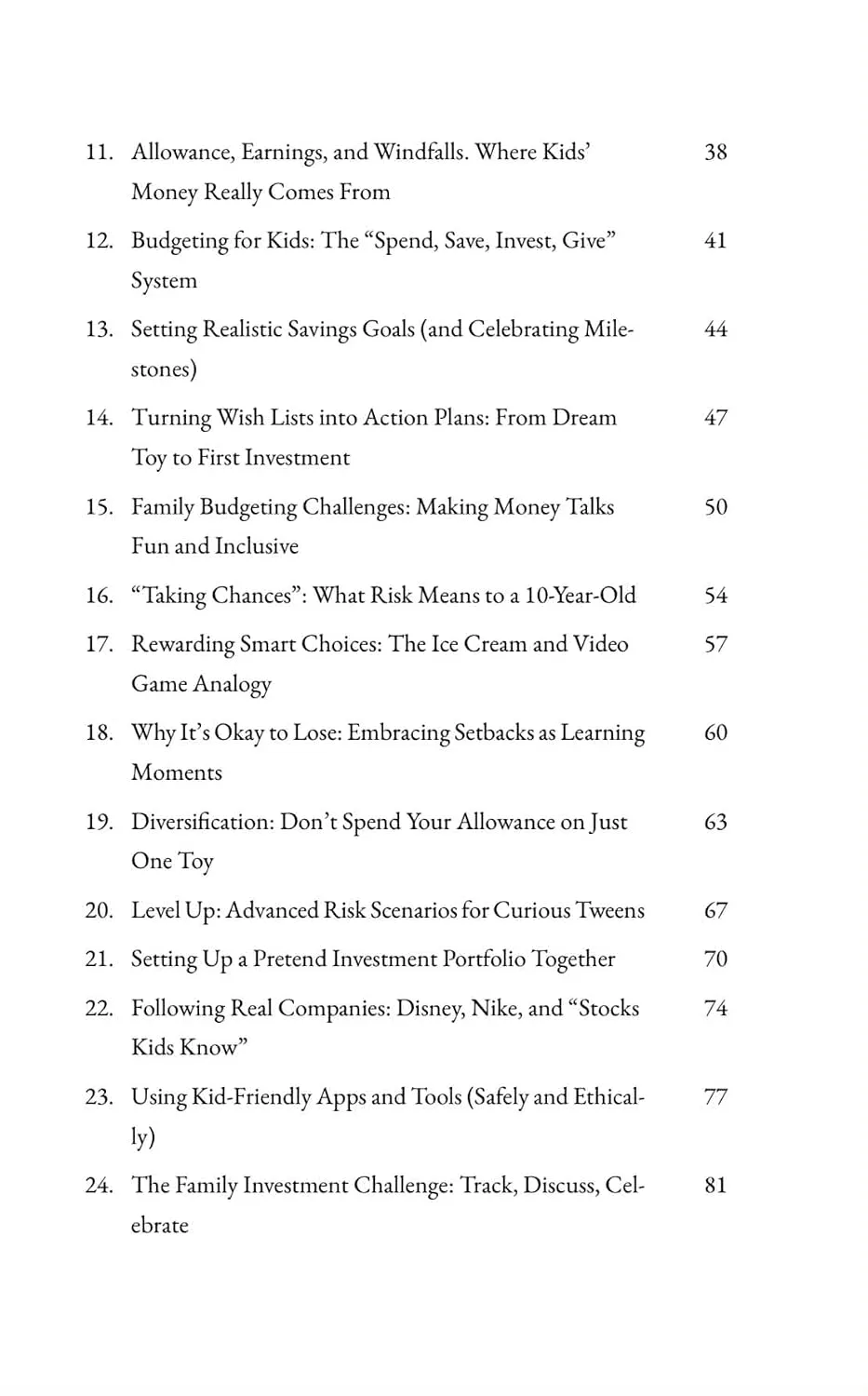
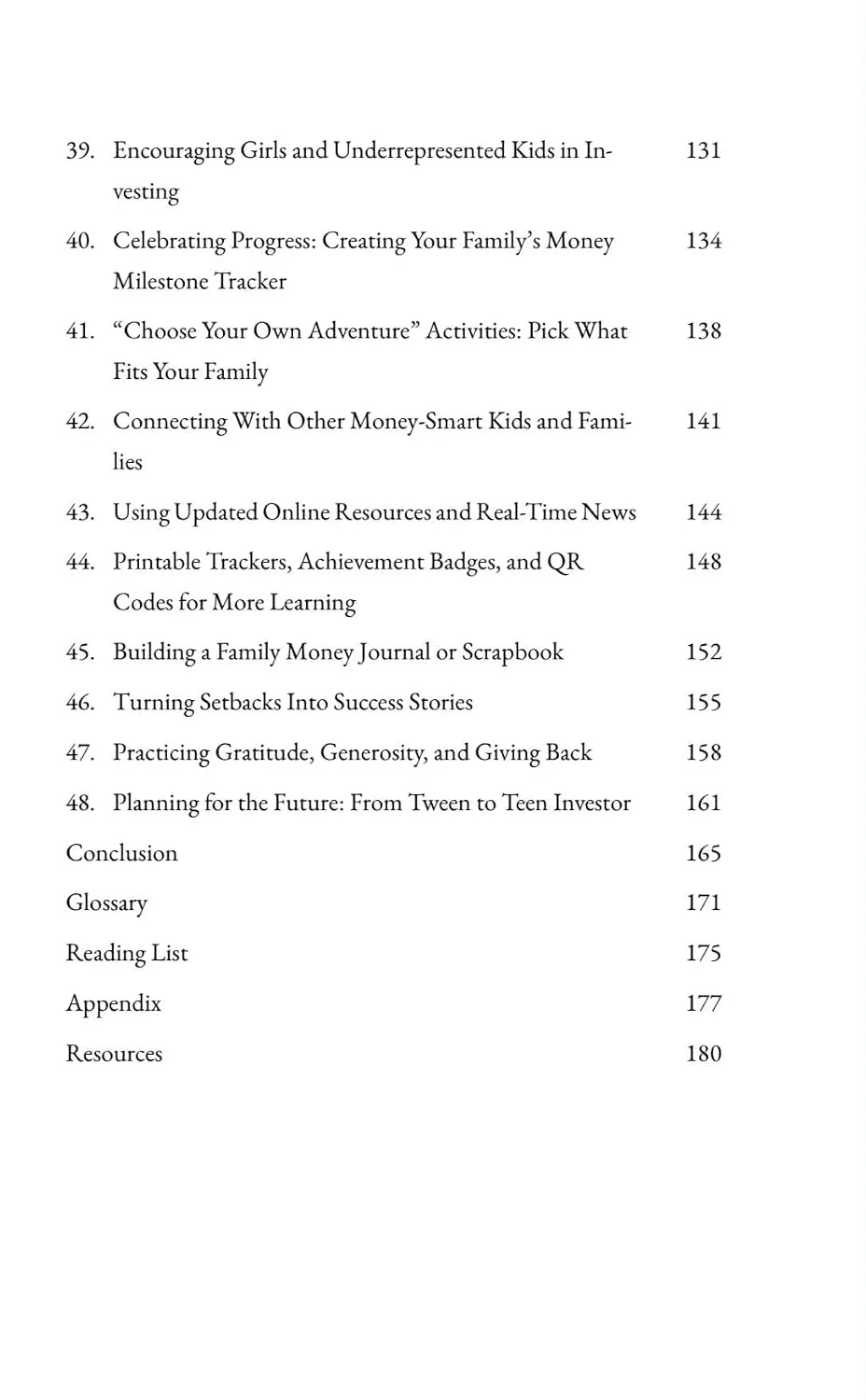
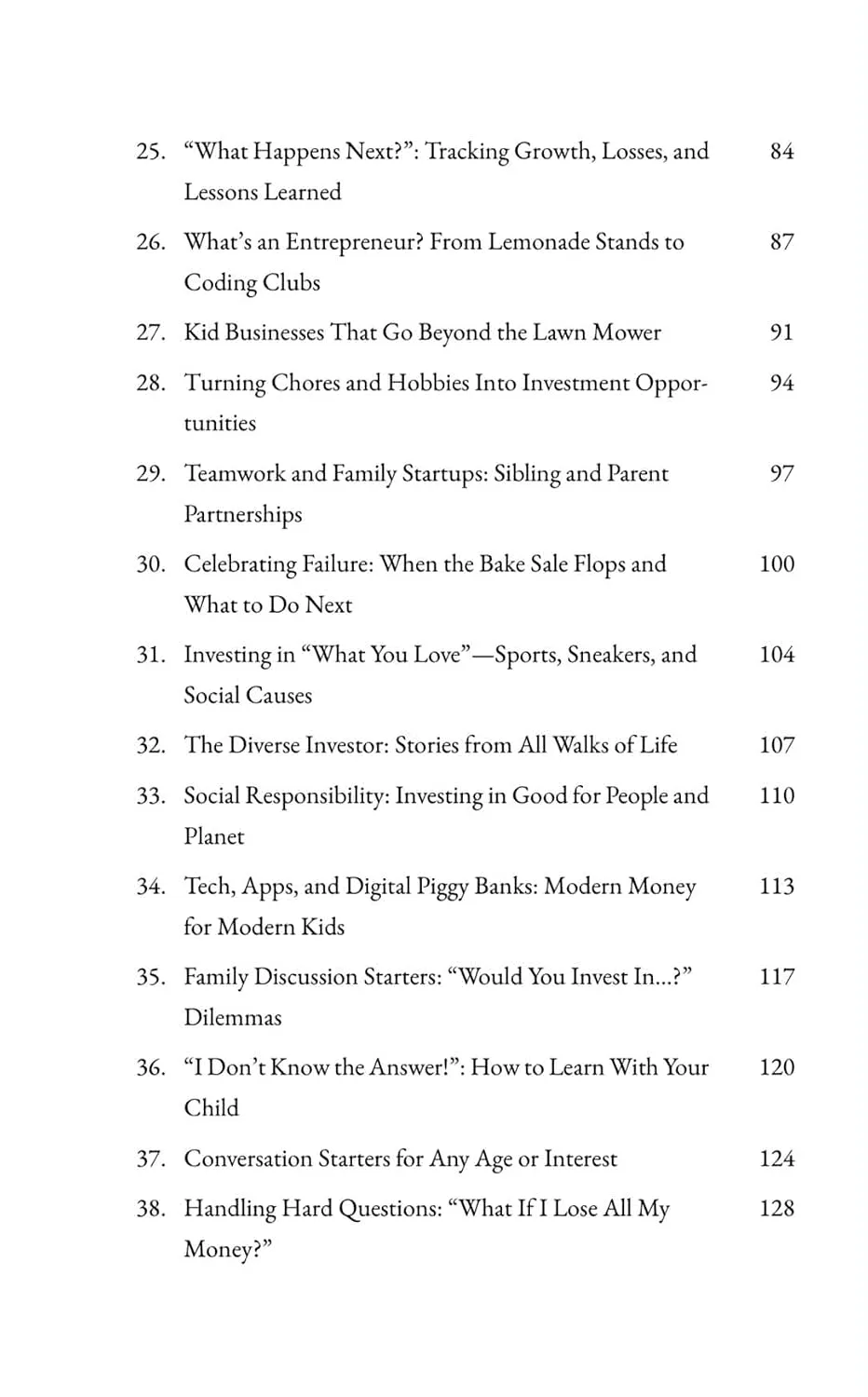
You now know whether Schwab works for your family’s custodial Roth setup — but opening the account is only half the battle. The harder part is deciding what your kid actually invests in, and how to frame earned income and long-term wealth-building in a way that sticks. This book bridges that gap.
What works
- Walks parents through the earned income requirement and custodial account mechanics without oversimplifying — you’ll understand exactly why your teen’s summer job qualifies (or doesn’t).
- Gives you a vocabulary for conversations with kids about why investing $500 now matters more than $5,000 at 25 — crucial context when you’re funding a Roth they can’t touch for decades.
- Covers age-appropriate investment choices and risk tolerance without assuming every parent is comfortable picking individual stocks — aligns with Schwab’s fund and ETF options.
What doesn’t
- Doesn’t go deep on custodial account tax treatment or IRS Form 8606 requirements — you’ll still need to coordinate with your tax advisor on those edges.
- Assumes your teen has actual earned income; if you’re exploring workarounds or family business structures, you’ll need separate guidance on documenting legitimate wages.
If you’re already comfortable with the custodial Roth mechanics and your teen is self-directed about investing, this may be more foundational than you need. Parent’s Guide to Investing for Kids: A Step-by-Step Guide for Teaching Kids About Investing, Stock Market Investing, Saving Money, and Building Wealth Early
About This Article

Written by Jennifer Walsh. Jennifer Walsh isn't a financial advisor — she's spent more than 20 years personally managing her own retirement accounts and obsessively optimizing her own Roth conversions and tax strategy. She writes to demystify complex financial concepts so everyday investors can make confident, informed decisions, with no products to sell and no commissions behind her recommendations. More about this site.
Scope and limits. Jennifer is not a financial advisor or tax professional, and nothing here is personalized advice. Retirement and conversion rules change and depend on your own situation — confirm with a CPA or fiduciary advisor before you act.
Verify this against a primary source
Specifics change, and your situation may differ from the one described here. These are the authorities worth checking directly:
- IRS — contribution limits, conversion rules and current publications
- Social Security Administration — benefit timing and taxation of benefits
- FINRA — investor education and fee comparison tools