
This content is for educational purposes only and does not constitute financial advice. Consult a qualified financial advisor before making investment decisions.
Key Takeaways
- The best custodial Roth IRA accounts for 2026 include Fidelity, Charles Schwab, Vanguard, and E*TRADE — each offering $0 account minimums and broad investment options.
- Minors must have verifiable earned income to contribute to a Roth IRA custodial account; the 2026 contribution limit is $7,500 or the child’s total earned income, whichever is lower.
- A parent or guardian acts as custodian on the account until the minor reaches the age of majority (18–25, depending on state law), at which point full ownership transfers to the child.
- Custodial Roth IRAs follow the same tax rules as standard Roth IRAs — contributions are made with after-tax dollars, and qualified withdrawals in retirement are entirely tax-free.
- Fidelity earns the top overall ranking here due to its $0 minimum, zero-expense-ratio index funds, and robust educational tools for families.
What Is the Best Custodial Roth IRA for 2026?
If you are looking for low-cost custodial Roth IRA accounts for minors, every provider on this list charges $0 in annual fees and $0 account minimums — making them the most affordable options available for opening a Roth IRA for a child. Fidelity ranks as the best custodial Roth IRA overall for 2026, followed closely by Charles Schwab, Vanguard, and E*TRADE. All four brokerages offer $0 minimum opening deposits, commission-free ETF trades, and access to low-cost index funds — the three features that matter most when you are comparing a custodian Roth IRA for a minor child.
The best custodial Roth IRA for any specific family will depend on factors including preferred investment style, mobile app usability, and whether parents want built-in financial literacy tools. This guide evaluates each platform across five core criteria: account minimums, investment selection, fees, educational resources, and mobile experience.
What Makes a Custodial Roth IRA Different From a Standard Roth IRA?
A Roth IRA custodial account is structurally identical to a standard Roth IRA in terms of tax treatment — contributions are made with after-tax dollars, growth is tax-deferred, and qualified withdrawals in retirement are tax-free. The key difference is legal ownership: because minors cannot enter binding financial contracts, a parent or guardian must serve as the account custodian until the child reaches the age of majority.
The age of majority varies by state — typically 18 in most states, but extending to 21 or 25 in others depending on the brokerage’s state-specific policies. At that threshold, ownership automatically transfers to the now-adult child, who assumes full control of the account. The IRS treats the account as belonging to the minor for tax purposes throughout its custodial period.
Unlike UGMA or UTMA custodial accounts — which hold taxable assets like stocks or cash — a custodial Roth IRA is specifically a retirement account governed by IRS rules. UGMA and UTMA accounts have no contribution limits and no earned income requirement, but they also carry no tax-sheltered retirement benefits. A Roth IRA custodian arrangement is far more powerful for long-term, tax-free compounding.
Earned Income Requirement for Minors
Per IRS guidelines, a minor must have earned income to contribute to any IRA, including a custodial Roth IRA. Earned income includes wages from a part-time job, self-employment income, or payments for services such as lawn care, babysitting, or acting. Investment income, gifts, and allowances do not qualify. The 2026 annual contribution limit is $7,500 — or the child’s total earned income for the year, whichever amount is lower — per IRS Notice 2025-67. (It was $7,000 for 2024 and 2025.) A parent may fund the contribution on the child’s behalf as long as the child’s earned income covers it.
Best Custodial Roth IRA Accounts Compared: Fidelity, Schwab, Vanguard, and E*TRADE
| Brokerage | Account Minimum | Index Funds / ETFs | Individual Stocks | Annual Fees | Mobile App | Educational Tools |
|---|---|---|---|---|---|---|
| Fidelity | $0 | Yes (0% ER index funds) | Yes | $0 | ★★★★★ | Fidelity Youth App, Learning Center |
| Charles Schwab | $0 | Yes (Schwab Market Cap Index Funds) | Yes | $0 | ★★★★☆ | Schwab MoneyWise, ETF screener |
| Vanguard | $0 (some funds req. $1,000–$3,000) | Yes (industry-low ER ETFs) | Yes | $0 | ★★★☆☆ | Vanguard Investor Education portal |
| E*TRADE | $0 | Yes (commission-free ETFs) | Yes | $0 | ★★★★☆ | OptionsHouse tools, Knowledge section |
Fidelity — Best Overall Custodial Roth IRA
RothWizards’ financial education team ranks Fidelity first among best custodial Roth IRA providers for 2026. In this Fidelity custodial IRA review, we found that Fidelity stands out for families because it supports multiple account types under one login — including individual Roth IRAs, spousal IRAs, and custodial Roth IRAs for minors — so parents can manage their own retirement savings alongside their child’s account with a single dashboard. The platform offers its own lineup of zero-expense-ratio index funds (FZROX, FZILX), $0 commissions on stock and ETF trades, and no account minimums or maintenance fees. Fidelity’s dedicated Youth App — though designed for teen brokerage accounts — complements a custodial Roth IRA by teaching minors about investing in real time. Parents can monitor activity from a linked account on the main Fidelity app.
Charles Schwab — Best for Index Fund Investors
Schwab is a top-tier Roth IRA custodian option for families who favor low-cost, passive index investing. Schwab’s proprietary Market Cap Index Funds carry expense ratios as low as 0.03%, and the platform supports $0 minimum contributions with no annual fees. Schwab’s ETF screener and Schwab MoneyWise educational portal make it particularly suitable for parents who want to teach investment fundamentals alongside account management.
Vanguard — Best for Long-Term Buy-and-Hold Families
Vanguard pioneered the index fund and remains a gold standard for long-term, low-cost retirement investing. The brokerage offers some of the industry’s lowest expense ratios on ETFs like VTI and VXUS. That makes Vanguard a natural fit for families committed to a buy-and-hold strategy. The main drawback is Vanguard’s mobile app, which lags competitors in user experience, and certain mutual funds require $1,000–$3,000 minimums — though Vanguard ETF equivalents are available with no minimums.
E*TRADE — Best Mobile Experience
E*TRADE (now part of Morgan Stanley) offers a polished mobile app and a custodial Roth IRA with $0 minimums and commission-free trades. Its Knowledge section provides solid foundational content for parents new to IRA investing. E*TRADE is a strong choice for families who prioritize app usability and want access to a broad selection of ETFs, mutual funds, and individual equities within a single platform.
Who Acts as Custodian and When Does the Account Transfer to the Child?
In a Roth IRA custodial account, the parent or legal guardian named on the application serves as the custodian. These are fully parent-controlled accounts — the adult makes every investment decision, monitors activity, and sets the strategy until the child reaches legal adulthood. All four brokerages listed above offer fast online setup, typically completing the application in under 15 minutes with no branch visit required. The custodian controls investment decisions, manages contributions, and monitors account activity on the minor’s behalf. The minor is the legal beneficiary and owner of the funds for IRS tax reporting purposes — meaning the child’s Social Security number is attached to the account and any income attributable to the IRA is reported under the child’s tax ID.
When the minor reaches the brokerage’s designated age of majority — typically 18, but as high as 25 in some jurisdictions based on state law and brokerage policy — the account automatically converts to a standard Roth IRA in the child’s name. No tax event is triggered by the transfer. It is worth emphasising that early account setup, even with small annual contributions, allows decades of tax-free compounding before the account transitions to adult ownership. Parents choosing a Roth IRA for an adult child should note that once the child turns 18, a standard Roth IRA — not a custodial account — is the appropriate vehicle, since the child can now open and manage the account independently. At that point, factors like fees, minimums, and investment options should be evaluated from the young adult’s perspective rather than the parent’s. When searching for the best Roth IRA for kids, prioritise brokerages that offer online, parent-controlled accounts with fast setup, reliable customer support, and educational tools that grow with the child.
How to Actually Talk to Your Kid About Their Custodial Roth
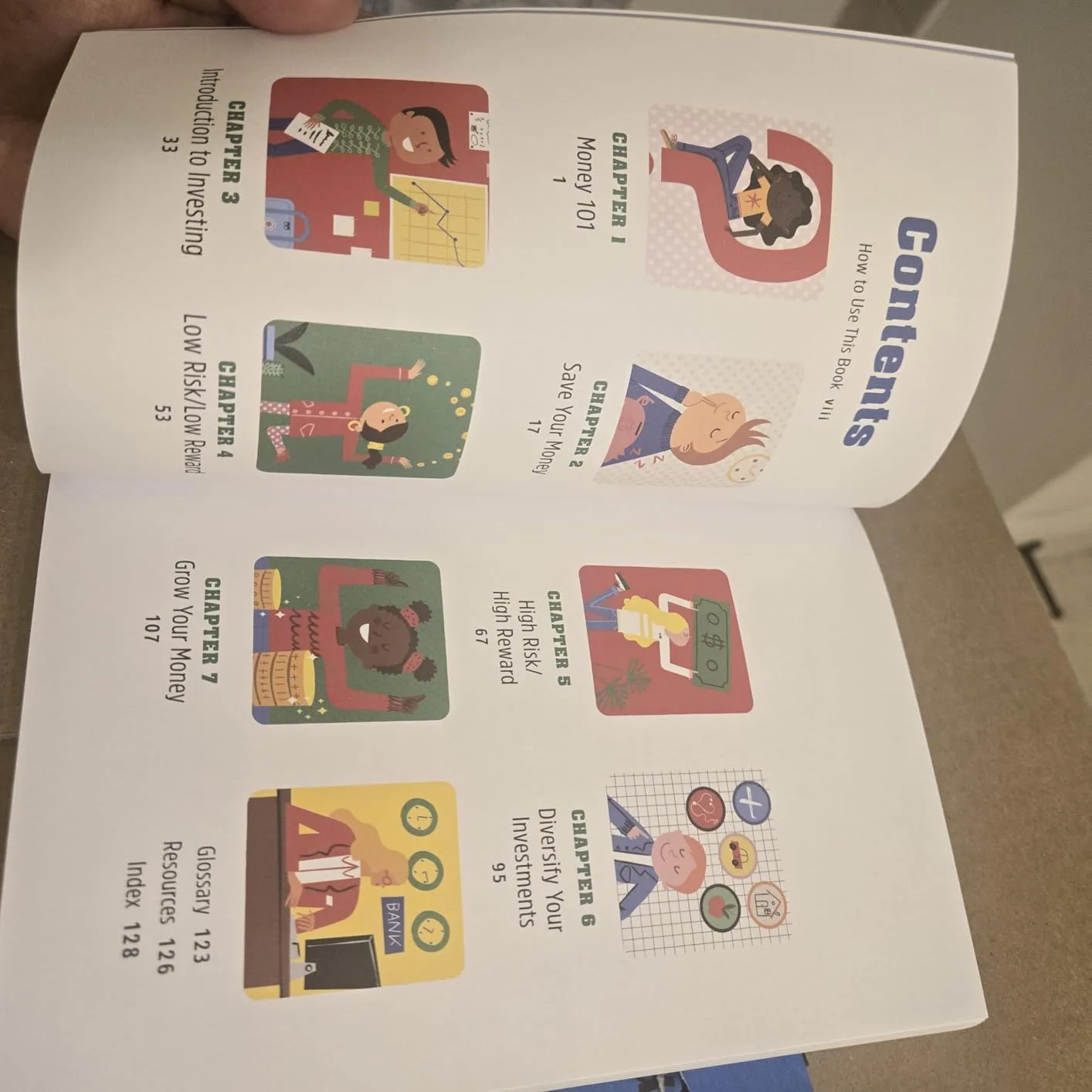
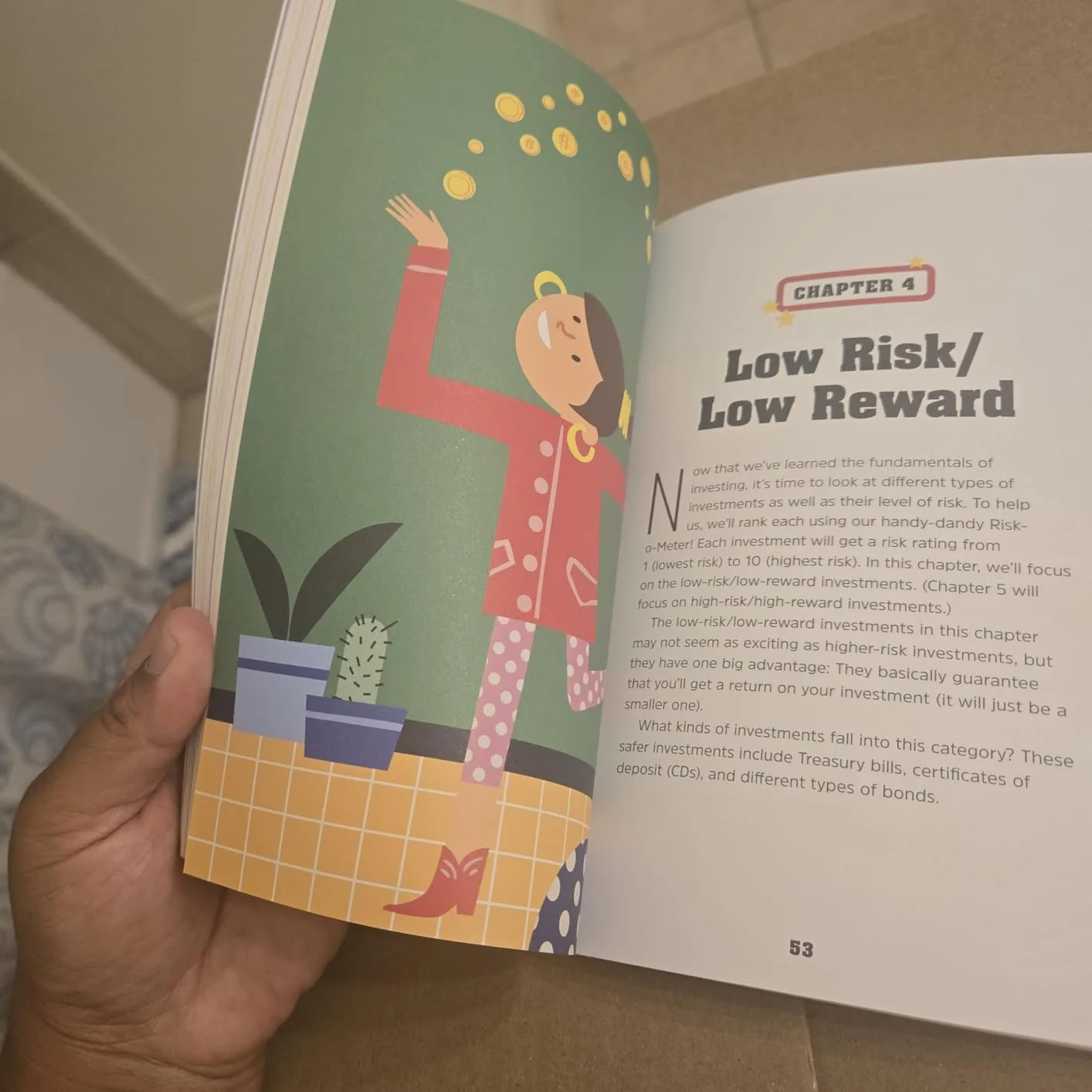
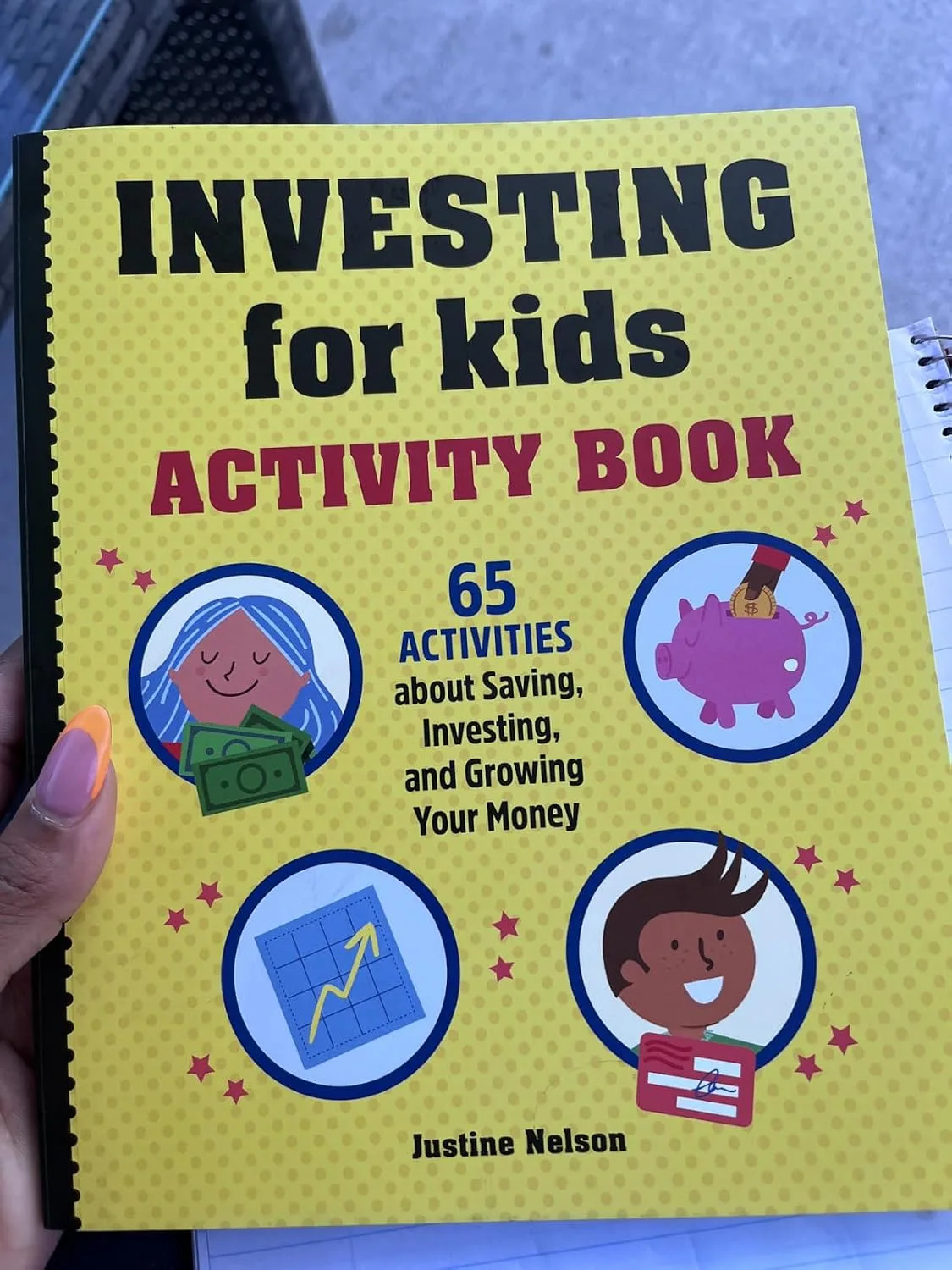
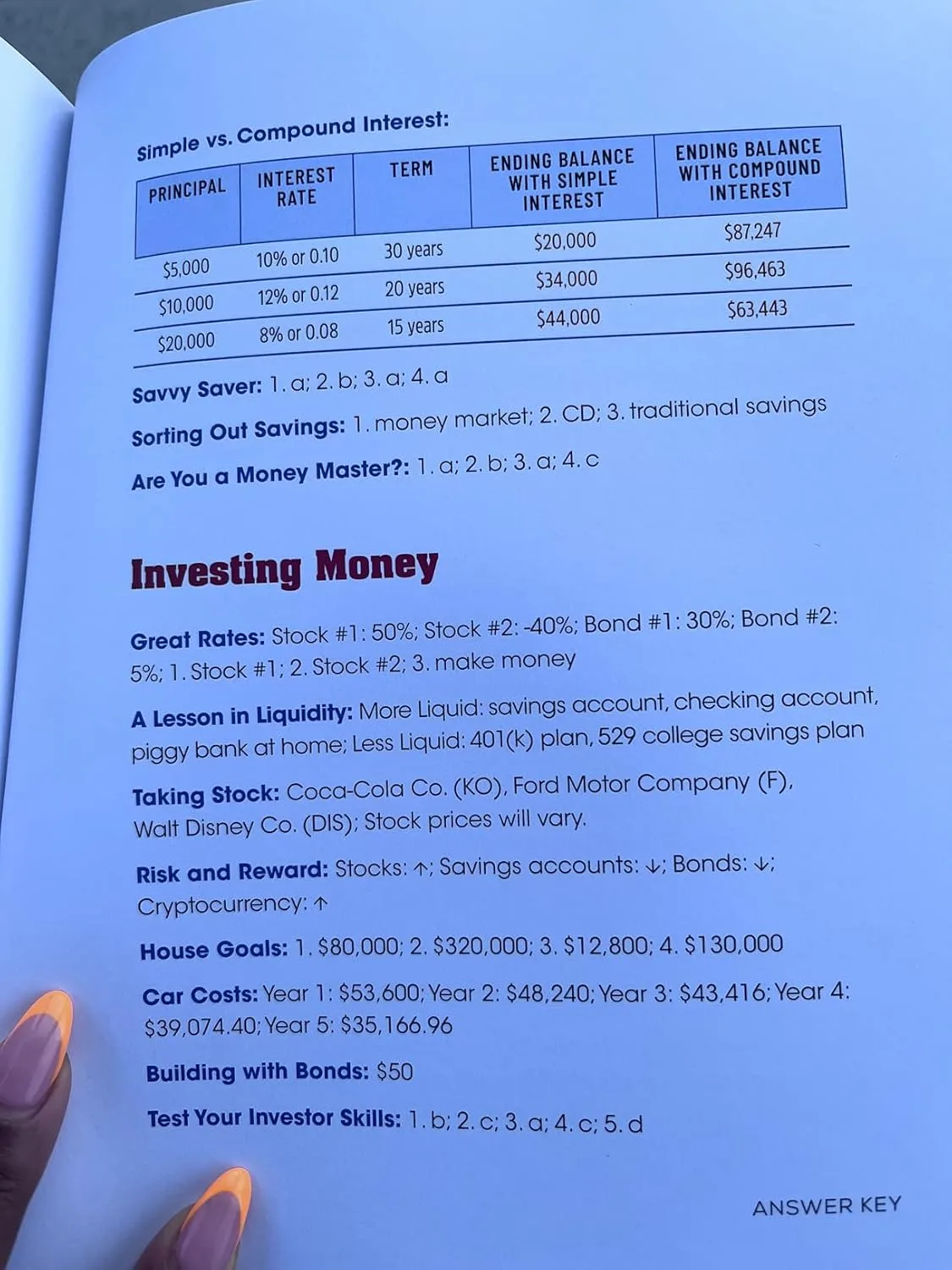
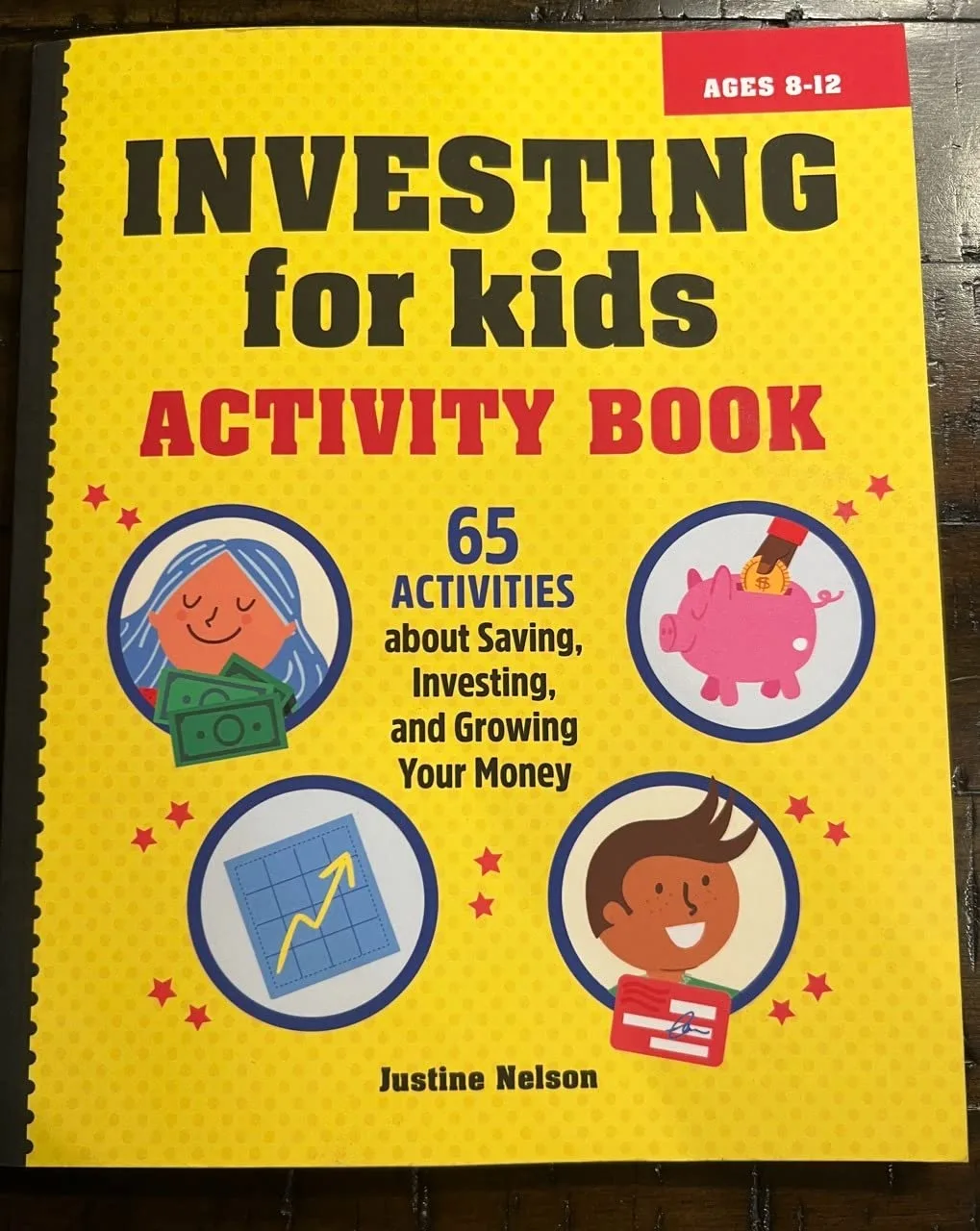
Opening a custodial Roth IRA is one thing; involving your child in the concept without overwhelming them is another. This book bridges that gap by translating earned income requirements, tax-free growth, and long-term thinking into language and frameworks that actually land with younger investors.
What works
- Explains compound growth and time horizon in ways that make custodial account advantages (decades of tax-free growth) feel real, not abstract, to a child or teen.
- Frames earned income and account ownership in age-appropriate language, helping kids understand why a custodial Roth is tied to their actual work, not just parent-funded savings.
- Covers investing basics (stocks, diversification, fees) without assuming prior knowledge—critical if your child will help choose funds or understand custodian-recommended portfolios.
What doesn’t
- Does not address custodian selection, account rules, early withdrawal penalties, or the mechanics of opening an account—it assumes you’ve already handled the administrative side.
- Skips tax treatment details and contribution limits, which means you’ll still need the official IRS guidance or your custodian’s documentation to answer specific rule questions.
If your child is under 10 or you’re looking for compliance help and custodian comparisons rather than a teaching tool, this isn’t the resource to lean on. A Teenager’s Guide to Investing in the Stock Market: Invest works best when you want to turn the account into a conversation, not just a file folder.

Common Questions About Choosing a Custodial Roth IRA
Once you have picked a provider, it helps to have everything ready before you start the form — here is the full checklist of what you need to open a custodial Roth IRA.
Which is the best custodial Roth IRA overall?
There is no single winner for everyone, and any page that says otherwise is guessing on your behalf. The big three — Fidelity, Schwab and Vanguard — all offer custodial Roth IRAs with no account minimum and no maintenance fee, so the deciding factors are usually practical rather than financial: which platform you already use, how easy the mobile app is for a teenager to look at, and which low-cost index funds you actually want to hold. If you have no existing relationship, Fidelity is the most common starting point because its fractional-share support makes small contributions easy to invest fully.
Where can I open a custodial Roth IRA?
Any major brokerage that supports custodial retirement accounts — Fidelity, Schwab and Vanguard being the most widely used. Not every institution offers one: some banks and brokerages provide only UTMA custodial brokerage accounts, which are a different product entirely. It is worth checking specifically for a “custodial Roth IRA” or “Roth IRA for minors” rather than assuming a provider offers one because it offers custodial accounts.
What is the minimum to open one?
At the major brokerages, nothing. There is typically no minimum opening balance and no ongoing account fee. The practical minimum is set by what you invest in: some mutual funds carry their own minimums, which is why ETFs and fractional shares are handy for small contributions.
Does my child need a job with a W-2?
No. What is required is earned income, not a particular tax form. Self-employment income — babysitting, lawn mowing, pet sitting, tutoring — qualifies, provided the work is genuine and you keep a simple record of dates, work performed and amounts. What does not qualify is allowance or chores done for your own household.
How much can be contributed?
The lesser of the child’s earned income for the year or the annual contribution limit. The 2026 limit is $7,500, and limits change annually — confirm the current figure on irs.gov. For most children the earned income figure is the binding limit — if they earned $1,200, that is the cap.
General information, not tax or investment advice.
About This Article

Written by Jennifer Walsh. Jennifer Walsh isn't a financial advisor — she's spent more than 20 years personally managing her own retirement accounts and obsessively optimizing her own Roth conversions and tax strategy. She writes to demystify complex financial concepts so everyday investors can make confident, informed decisions, with no products to sell and no commissions behind her recommendations. More about this site.
Scope and limits. Jennifer is not a financial advisor or tax professional, and nothing here is personalized advice. Retirement and conversion rules change and depend on your own situation — confirm with a CPA or fiduciary advisor before you act.
Verify this against a primary source
Specifics change, and your situation may differ from the one described here. These are the authorities worth checking directly:
- IRS — contribution limits, conversion rules and current publications
- Social Security Administration — benefit timing and taxation of benefits
- FINRA — investor education and fee comparison tools